 Business License

Understanding Spots in Reciprocating Pumps: Key Insights for Industrial Applications
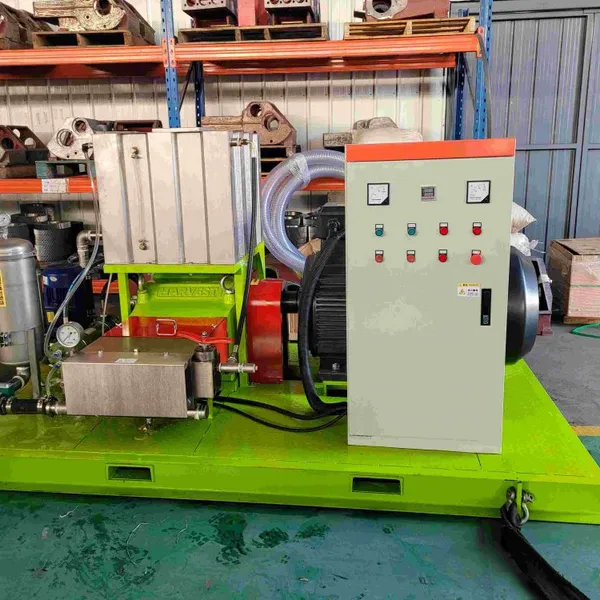
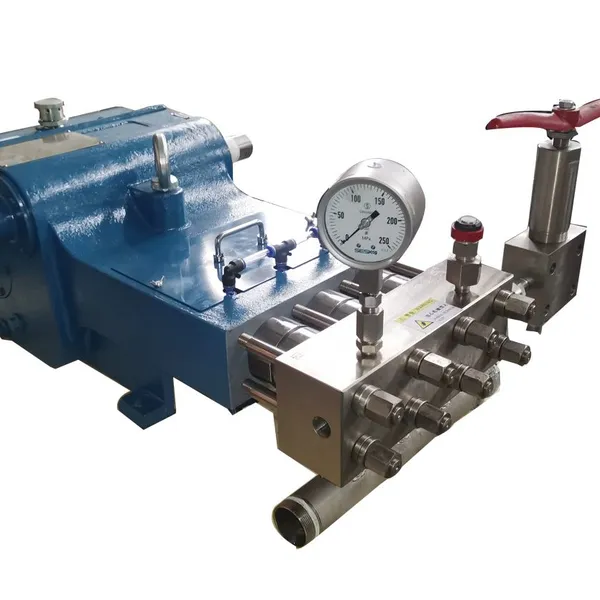
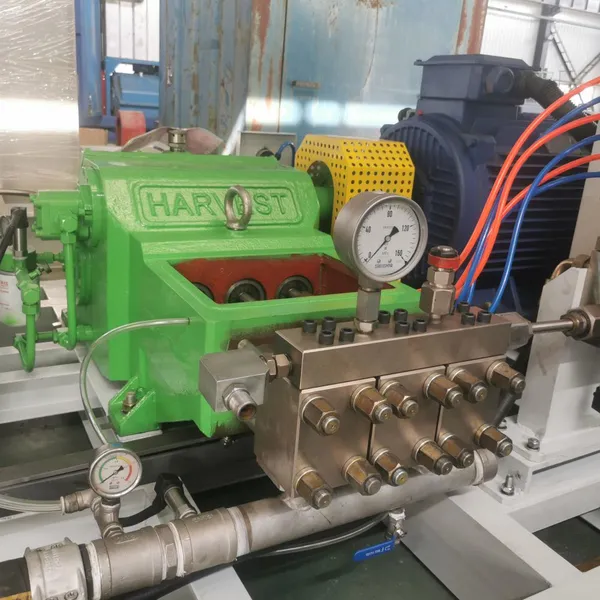
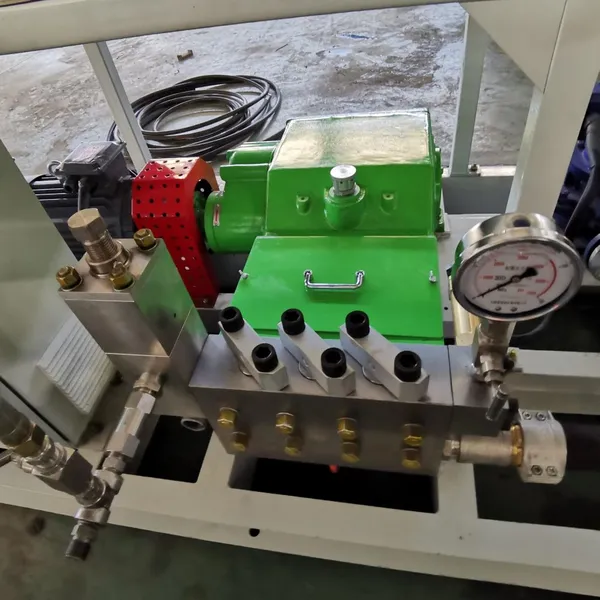
Reciprocating pumps play a vital role in various industrial applications, known for their ability to handle a wide range of fluids. However, understanding the nuances of their operation, including the phenomenon referred to as "spots," is essential for optimizing performance and ensuring longevity.
In the context of reciprocating pumps, "spots" typically refer to areas or conditions that may lead to inconsistent performance or wear over time. These spots can arise due to several factors, including uneven wear on components, improper lubrication, or cavitation. Recognizing these issues early can prevent serious malfunctions, allowing for smoother operations and a longer lifespan for the pump.
One of the primary locations where these spots may develop is within the pump's cylinder and the piston assembly. Over time, the repeated motion of the piston can lead to localized wear patterns. This wear can create pressure variations within the pump, potentially leading to inefficient operation or even pump failure. Regular maintenance, including inspections and timely replacement of worn parts, is crucial to mitigate these effects.
Another factor contributing to the development of spots is the fluid being pumped. Different fluids exhibit varying properties, such as viscosity and temperature, which can affect how they interact with the pump components. For instance, pumping abrasive materials can accelerate wear, leading to the formation of spots that may compromise the pump's integrity. Understanding the fluid characteristics and matching them with the appropriate pump design can help avoid such issues.
Cavitation is another significant concern that can lead to spots in reciprocating pumps. This phenomenon occurs when vapor bubbles form in the fluid due to rapid pressure drops, only to collapse violently when passing through high-pressure areas in the pump. The collapse of these bubbles can create shock waves that erode the pump material, resulting in pitting and wear over time. To combat cavitation, it’s important to maintain optimal operating conditions and avoid excessive suction lifts.
In summary, while reciprocating pumps are essential for many industrial applications, being aware of potential issues such as spots can significantly enhance their performance and reliability. Regular maintenance, understanding the nature of the fluids being pumped, and monitoring operational conditions are key strategies for preventing problems. By addressing these factors, operators can ensure their reciprocating pumps operate efficiently and effectively, contributing to overall operational success.
Recently Posted
-
Expert Guide to New Airport Runway Glue Removal: DIY Tips and Techniques
November 28, 2025Understanding Airport Runway GlueTypes of Glues Used in AirportsSafety Precautions Before Glue RemovalEssential Tools for Glue Rem Read More
 -
Discover Effective Solutions for Airport Runway Glue Removal: A Comprehensive Guide
November 28, 2025Airport runways are critical to the safe operation of aircraft, and maintaining their integrity is paramount. One of the challenge Read More
 -
The Enduring Efficiency of Durable Plunger Pumps in Industrial Applications
November 28, 2025Durable plunger pumps are essential components in various industrial applications, renowned for their reliability and performance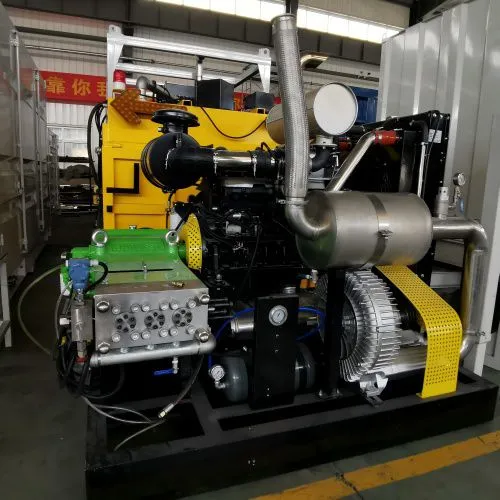 Read More
 -
Revolutionizing Efficiency in Industrial Applications
November 28, 2025In the evolving landscape of industrial equipment, **plunger pumps** have emerged as a pivotal technology for optimizing energy co Read More

Contact Us
Recommended Products
-
 Energy Efficient Ground Power Source for Water Piston PumpsUS$ 1 - 12999MOQ: 1 Set
 -
Tunnel Engineering Dust Resistant Explosion Proof Flushing PumpUS$ 1 - 12999MOQ: 1 Set
-
Mobile Road Marking Removal Pump TruckUS$ 1 - 12999MOQ: 1 Set
-
Plunger Pump for Underground Mud Pump TruckUS$ 1 - 12999MOQ: 1 Set
-
Steel Rolling Line Descaling Waterjet Pump UnitUS$ 1 - 12999MOQ: 1 Set
-
Zoned Water Injection Smart Control PumpUS$ 1 - 12999MOQ: 1 Set
-
350MPa High Pressure Tank & Reactor Descaling PumpUS$ 1 - 12999MOQ: 1 Set
-
Jet Cleaning High Pressure Plunger Pump Featuring Long Lasting Cemented Carbide PlungersUS$ 1 - 12999MOQ: 1 Set
-
Precipitation Hardened Stainless Steel Corrosion Resistant PumpUS$ 1 - 12999MOQ: 1 Set
-
Ultra Corrosion Resistant High Pressure Stainless Steel PumpUS$ 1 - 12999MOQ: 1 Set
-
Powder Metallurgy Waterjet Molding PumpUS$ 1 - 12999MOQ: 1 Set
-
High Displacement Quiet Continuously - Operable Plunger PumpUS$ 1 - 12999MOQ: 1 Set
-
Pumps With High Transmission Power for Persistent Continuous OperationUS$ 1 - 12999MOQ: 1 Set
-
High Pressure Powder Metallurgy Process Supporting PumpUS$ 1 - 12999MOQ: 1 Set
-
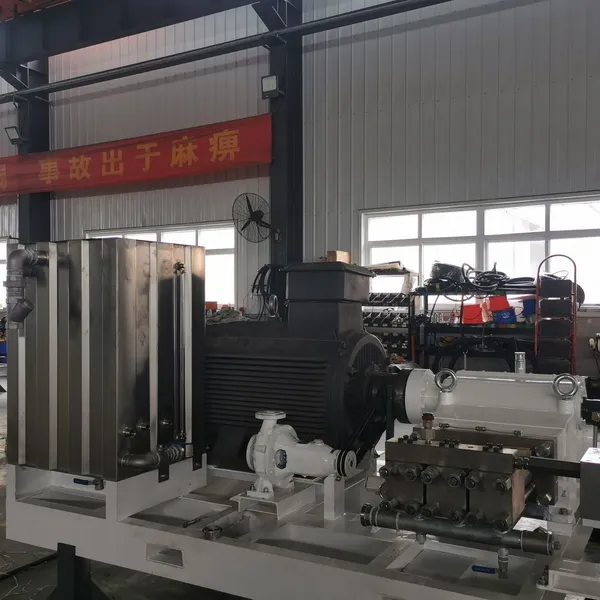
Special Pump for Environmental Tunneling WorkUS$ 1 - 12999MOQ: 1 Set
-
High Pressure Jet Cleaning Pump With Big FlowUS$ 1 - 12999MOQ: 1 Set
-
90kW Industrial Cleaner High Pressure Heat Exchanger PumpUS$ 1 - 12999MOQ: 1 Set
-
High Power 110kW Pump for Scaling Removal in Multiple FieldsUS$ 1 - 12999MOQ: 1 Set
-
High Performance Pump for Cleaning and Pressure TestingUS$ 1 - 12999MOQ: 1 Set
-
High Flow Water Injection Pump for Underground Coal MinesUS$ 1 - 12999MOQ: 1 Set